Wonky Doodle Font for Creative Design
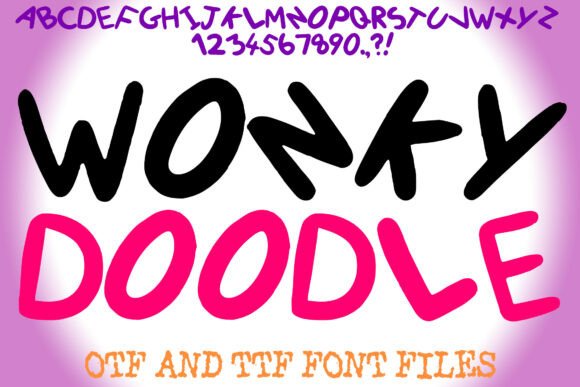
Wonky Doodle is a display font that brings a playful, hand-lettered energy to editorial design. Its irregular baseline and bold strokes make it ideal for headlines, covers, and visual accents that demand attention. Whether you're designing a blog post, a magazine spread, or a printable guide, this font adds character and personality to your content.
Wonky Doodle for Magazine Covers and Editorial Headlines
Wonky Doodle is perfect for magazine covers and editorial headlines where visual impact matters most. Its uneven baseline and thick strokes create a dynamic, eye-catching effect that stands out on both digital and print pages. Publishers and editors can use it to create striking title treatments that reflect the tone and theme of their content.
For example, a lifestyle magazine might pair Wonky Doodle with a clean serif font for body text, using the display font to highlight key sections like "Top 10 Travel Destinations" or "Seasonal Recipes." This contrast enhances readability while maintaining a cohesive visual identity.
Wonky Doodle for Blog Headers and Article Layouts
Bloggers and content creators can use Wonky Doodle to elevate article headers and section titles. Its unique style adds a sense of creativity and approachability, making it ideal for personal blogs, recipe sites, or creative writing platforms. When used sparingly, it helps break up dense text and guides readers through different sections of an article.
Consider using Wonky Doodle for subheadings in a wellness blog, such as "Morning Rituals for a Balanced Life" or "Mindful Practices for Better Sleep." The font's irregularity gives these headings a handcrafted feel that resonates with audiences looking for authenticity and inspiration.
Wonky Doodle for Quote Graphics and Social Media Posts
Wonky Doodle shines when used in quote graphics and social media posts. Its hand-lettered style makes it ideal for creating visually engaging quotes, motivational messages, or brand slogans. Designers can pair it with simple backgrounds or subtle textures to emphasize its organic, artistic qualities.
For instance, a productivity coach might use Wonky Doodle in a Twitter graphic that reads "Small Steps Lead to Big Changes." The font’s lively appearance reinforces the message while adding a personal touch that feels more human than rigid, machine-generated typography.
Wonky Doodle for Ebook Titles and Digital Publications
Ebook creators and digital publishers can use Wonky Doodle to craft compelling ebook titles and cover designs. Its bold, irregular style works well for genre-specific books, such as self-help guides, creative writing resources, or DIY project manuals. When paired with a readable sans serif font for body text, it creates a balanced layout that remains accessible while standing out on online marketplaces.
A cooking ebook titled "Savory Bakes for Every Occasion" could feature Wonky Doodle in the title, with a clean, legible font for recipe instructions. This combination ensures the cover grabs attention while the interior remains easy to read.
Wonky Doodle for Branding and Publication Identity
Wonky Doodle is a powerful tool for building brand identity and publication consistency. Its distinct style allows designers to create a signature look that sets their work apart. Whether it's a weekly newsletter, a digital magazine, or a printable planner, using this font in key areas like headers, logos, and section dividers helps reinforce a unified visual language.
For example, a small publishing house might use Wonky Doodle in the header of their monthly newsletter, ensuring that every issue feels part of a cohesive series. This repetition builds recognition and trust among readers.
Wonky Doodle for Lead Magnets and Printable Guides
Lead magnets and printable guides often benefit from a strong visual presence, and Wonky Doodle delivers just that. Its playful, hand-lettered style makes it ideal for downloadables like worksheets, planners, or checklists. When used in titles and headings, it adds a friendly, approachable vibe that encourages engagement.
A fitness coach might use Wonky Doodle in a downloadable workout plan titled "7-Day Home Fitness Challenge." The font’s irregularity gives the document a personal, handwritten feel that feels more inviting than standard typography.
Wonky Doodle for Web Design and Interactive Content
Web designers and interactive content creators can incorporate Wonky Doodle into site headers, buttons, and call-to-action elements. Its bold strokes and uneven baseline add visual interest without overwhelming the user experience. When used in moderation, it enhances the aesthetic of a website while maintaining clarity and usability.
For example, a portfolio site might feature Wonky Doodle in the main heading, with a clean sans serif font for navigation menus and project descriptions. This balance ensures the design remains modern and professional while still feeling creative and expressive.
Wonky Doodle for Packaging Design and Merchandise
Wonky Doodle isn't limited to digital content—it also works well for packaging design and merchandise. Its hand-lettered style lends itself to labels, stickers, and branded items that require a custom, artisanal look. Whether it's a book cover, a t-shirt design, or a product label, this font adds a unique, personal touch that stands out in a crowded market.
A boutique stationery brand might use Wonky Doodle on their product packaging, reinforcing their commitment to creativity and individuality. The font’s irregularity aligns with the handmade quality of their offerings, creating a cohesive brand experience.
Wonky Doodle for Reader Engagement and Visual Hierarchy
Wonky Doodle supports reader engagement by drawing attention to key elements in an article or design. Its irregular baseline and thick strokes create a natural focal point, helping to guide the eye through complex layouts. This makes it especially useful for section headings, pull quotes, and accent typography in editorial work.
For instance, a digital magazine might use Wonky Doodle for a featured quote in an article about mental health. The font’s energetic style complements the message, making it more memorable and impactful for readers.
Wonky Doodle for Commercial Use and Licensing
When using Wonky Doodle in commercial projects—such as ebooks, templates, printables, or client publications—it's important to check the licensing terms. Most fonts allow for commercial use, but specific conditions may apply. Always verify that the license covers the intended use, whether it's for a paid newsletter, a branded product, or a client’s publication.
Creators should also consider font pairing when using Wonky Doodle in larger designs. Combining it with a readable serif or sans serif font ensures that the overall layout remains legible and professional, even when the display font is used prominently.