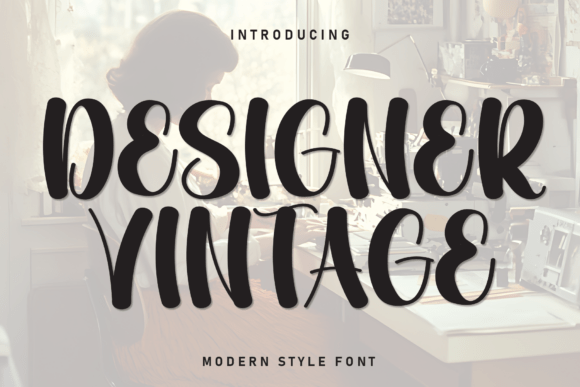
Designer Vintage Font
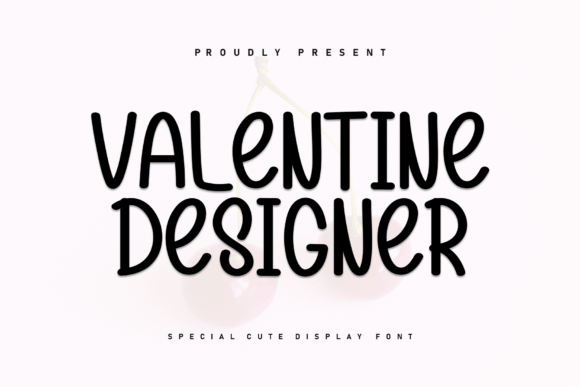
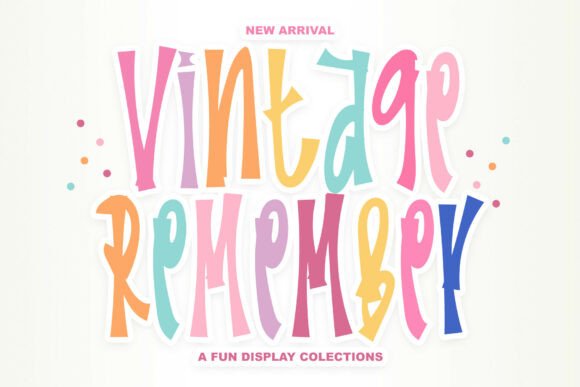
Choosing the right font for a project can feel like selecting the perfect accessory to complete an outfit. For a recent redesign of a lifestyle blog, I found myself drawn to Designer Vintage, a handcrafted display font that exudes warmth and charm. Its sweetly playful nature makes it ideal for adding character to editorial layouts, from blog headers to newsletter graphics.
Designer Vintage for Wedding Invitations and Elegant Branding
Designer Vintage is a standout choice for wedding invitations and elegant branding projects. Its handcrafted style brings a sense of personalization and sophistication, making it perfect for couples looking to add a unique touch to their special day. The font’s subtle irregularities mimic handwritten script, giving each invitation a one-of-a-kind feel that feels both intimate and refined.
For a wedding guide ebook, Designer Vintage worked beautifully as a title font, drawing attention without overwhelming the reader. It pairs well with clean, readable fonts for body text, ensuring that the overall design remains balanced and professional while still maintaining a warm, inviting tone.
Designer Vintage in Digital Magazines and Editorial Layouts
In a digital magazine layout, Designer Vintage proved to be a versatile tool for creating visual interest. Used as a pull quote or section heading, it added a layer of personality to the content without sacrificing readability. The font’s rhythm and spacing make it suitable for short bursts of text, such as headlines, captions, or decorative accents within a larger design.
When testing it in a recipe ebook, I noticed how its playful nature complemented the friendly, approachable tone of the content. It was especially effective when used in chapter openers or for highlighting key tips, helping to break up dense blocks of text and guide the reader’s eye through the page.
Designer Vintage for Newsletter Headers and Social Media Graphics
For a weekly newsletter header, Designer Vintage brought a fresh, creative energy that stood out among more traditional typefaces. Its soft, organic shapes gave the design a handmade quality, which resonated well with the audience’s appreciation for authenticity and craftsmanship. It also worked well as a social media graphic, where its visual appeal caught attention without requiring too much screen space.
One challenge I encountered was using Designer Vintage at smaller sizes. While it retained its charm, the details became less distinct, making it less suitable for captions or footnotes. In those cases, a complementary sans serif font provided better clarity without compromising the overall aesthetic.
Designer Vintage in Printable Planners and Coaching Workbooks
When designing a printable planner, I used Designer Vintage for section titles and motivational quotes. Its warm, expressive style aligned perfectly with the planner’s focus on mindfulness and self-care. It helped create a cohesive visual identity that felt both professional and personal, making the product more appealing to users who value thoughtful design.
In a coaching workbook, the font was used sparingly to highlight key concepts and action steps. This strategic use ensured that the reader could easily navigate the content while still benefiting from the font’s visual personality. Pairing it with a simple serif font for body text allowed the design to remain functional and easy to read.
Designer Vintage for Ebook Titles and Content Branding
As an ebook title font, Designer Vintage made a strong impression. It added a level of elegance and uniqueness that set the publication apart from others in the same category. Whether used for a cookbook, a self-help guide, or a creative writing resource, the font helped establish a clear brand identity that felt both professional and approachable.
For content branding, Designer Vintage served as a signature element across multiple platforms, from website headers to email templates. Its consistent use reinforced the brand’s personality, making it instantly recognizable to readers and reinforcing the emotional connection between the content and the audience.